


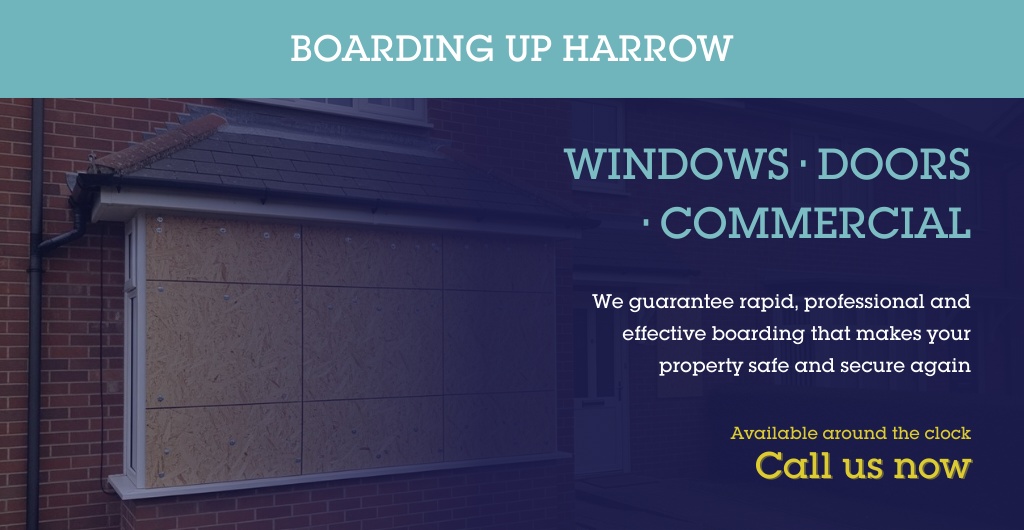
Boarding Up for Vacant Properties in Harrow (HA0–HA9)
A vacant property can become a target quickly—especially if it looks obviously empty, has a damaged door or window, or sits in a quiet spot between occupiers. If you’re a landlord, managing agent, executor, or facilities manager, you’re usually balancing security, insurance requirements, and the practicalities of getting repairs booked in.
We provide vacant property boarding up in Harrow and across the HA postcode area (HA0–HA9), using methods that suit the length of time the building will be empty and the condition of the frames. If you need urgent help because a void has already been broken into, our emergency boarding up service can secure the building and help you stabilise the situation.
For advice or a quote, call 020 4634 5472 or email [email protected].
Why vacant properties in Harrow need a different approach
Boarding up an occupied home is usually about making it safe until glazing or door repairs happen. With a vacant building, the priority often changes:
- Deterrence: preventing repeat attempts once a property has been “noticed”
- Insurance compliance: many policies require “reasonable security” for unoccupied buildings
- Longer timeframes: repairs, probate, sales, or refurbishment can take weeks or months
- Reduced oversight: fewer neighbours reporting issues, no daily activity, no lights
Across Harrow and nearby HA areas, we’re often called to voids above parades (around town centres), empty flats between tenancies, and houses awaiting renovation—properties that can be vulnerable if access is easy from the street, a rear alley, or a side passage.
If you’re not sure whether boarding up is the right step, our explainer on what boarding up involves is a helpful starting point.
Typical scenarios we’re called to for voids and unoccupied buildings
Vacant property security is rarely a single “one-off” job. These are the situations we commonly deal with in Harrow and the surrounding HA postcodes:
Break-ins and attempted break-ins
Even a failed attempt can leave a door split, a lock ripped out, or glazing smashed—creating a risk of further entry the same night. If you’ve just discovered damage, keep any police incident or crime reference number and see our guidance for boarding up after burglary.
Vandalism to windows and shopfronts
Empty buildings can attract stone damage, graffiti, or deliberate breakage. In busier areas, this can include shopfront glazing—especially if the unit is clearly closed. We cover both residential and commercial aspects of this under vandalism repairs.
Storm damage exposing the building
High winds can take out a sash pane, conservatory glazing, or rooflight—leaving a void open to rain and further deterioration. Where safe access is possible, we can secure openings quickly as part of storm damage boarding and, for overhead vulnerabilities, roof boarding.
Fire damage where the structure is still standing
After a fire, the priority is often security—especially if doors have been forced or windows cracked during firefighting. We secure the property; we don’t provide smoke/odour remediation, but we can help you stabilise the building and provide documentation for your insurer. See post-fire boarding.
Flooding and swollen frames
Floodwater can distort timber frames and make doors unreliable. We can secure openings without forcing damaged frames more than necessary, and we’ll talk you through ventilation considerations where the building needs to dry. More detail is on flood damage support.
Vacant units in mixed-use buildings
A common issue in parts of Harrow is an empty flat above shops, where access is via a shared side entrance or rear staircase. If communal doors or rear service doors are compromised, we can board up or install a more robust temporary solution depending on how long the space will be empty.
How we secure vacant properties: methods that match the risk and timeframe
There isn’t one “best” way to board up a vacant property. The right method depends on:
- how long the building will be unoccupied
- whether the frames are sound enough to fix into
- whether you need regular access (for contractors, viewings, meter reads)
- the location (street-facing, rear access, alleyway, or hidden elevation)
- any insurer or managing agent requirements
Below is how we normally approach void property security.
Window boarding for voids (plywood or OSB)
For most domestic windows and smaller commercial openings, boarding is the quickest way to remove vulnerability.
- 18mm exterior-grade plywood is our usual choice where stronger, cleaner coverage is needed.
- 12mm OSB can be suitable for smaller openings or lower-risk locations, but we’ll advise if plywood is more appropriate.
We fix boards using methods suited to the frame and reveal. Where possible, we use non-destructive fixing (so boards can be removed later with minimal damage). If the surrounding frame is already split, rotten, or unstable, we’ll explain the options before proceeding—sometimes you can’t secure safely without fixing into sound material.
Learn more about window boarding in Harrow.
Door security for vacant properties (boarding or temporary steel doors)
Doors are the most common re-entry point on voids—especially if a previous break-in has weakened the leaf, frame, or multi-point mechanism.
Door boarding (short-term securing)
Boarding a door is often used when:
- a timber door has been kicked and is no longer reliable
- glazing in a door panel is smashed
- you need to secure the opening immediately while replacement is arranged
Temporary steel doors (medium-term security with access)
For voids, a temporary steel door is often the most practical solution because it provides:
- a robust barrier against forced entry
- controlled access for contractors and agents
- a neater, longer-term setup than repeatedly removing and refixing boards
If you need access during an ongoing refurbishment or while the property is being marketed, tell us at the outset—this often changes the recommended approach.
Shopfront boarding for empty commercial units
Empty retail units can be highly visible, especially near transport and footfall. A damaged shopfront not only invites theft and vandalism, it can create liability risks if glass is loose or the opening is accessible.
We carry out shopfront boarding using suitably sized panels and fixings that are appropriate for larger glazed spans. We’ll also consider sightlines and local risk—sometimes partial boarding isn’t enough on a void unit if the remaining glazing is easy to attack.
Rooflights, skylights and high-level access points
Vacant properties are sometimes accessed from above—via flat roofs, extensions, garages, or adjoining structures. Rooflights and skylights can also fail during storms.
Our roof boarding focuses on making the opening weather-resistant and secure, with safe access as the priority. If access requires specialist equipment or the roof structure looks unsafe, we’ll tell you plainly—security should never come at the expense of avoidable injury or further damage.
Longer-term security planning for voids
If a property will be empty for a while, boarding up is often just one part of the plan. Depending on the site, we may discuss:
- reducing obvious signs of vacancy (where possible)
- securing secondary access points (rear doors, side gates, low windows)
- creating an access plan for contractors (so boards aren’t removed and left off)
- documenting the condition at the point of securing for your records
If you’re managing multiple sites, we can provide consistent paperwork to support your internal processes.
What to expect when you call us out
Whether it’s a planned securing visit or an urgent situation, the process is straightforward:
- You tell us what’s happened and the property status (empty/void, any known hazards, whether access is available).
- We ask practical questions: number of openings, floor level, door type, glazing type, whether you need access afterwards.
- We attend and assess on arrival. If the frame or surrounding structure is too compromised for a non-destructive approach, we’ll explain what can and can’t be done before we fix anything.
- We secure the openings using suitable boards and fixings, prioritising street-facing vulnerabilities first.
- You receive documentation: typically a clear work summary, itemised invoice, and time-stamped photos on request—useful for insurers and property records.
For more on costs and what affects them, see boarding up pricing. We don’t publish fixed prices because every void is different (access, sizes, number of elevations, condition of frames), but we’ll always explain the drivers clearly.
Insurance and compliance notes for unoccupied buildings (practical, not legal advice)
Insurers often treat empty properties differently. While we’re not loss adjusters or legal advisers, we can help you with the practical side:
- Keep your policy details and any claim reference handy.
- Take photos of damage before boarding up if it’s safe to do so.
- If police attended, note the crime reference number.
- Ask your insurer what they expect for “reasonable security” on an unoccupied building.
We can supply the type of evidence insurers usually request (photos and a description of the works). See insurance claims support.
Vacant property boarding up across Harrow and the HA postcodes
We cover Harrow and the wider HA area, including residential streets, town centres, and mixed-use blocks.
If you’re looking for a local page relevant to your area, you may find these helpful:
- boarding up in Harrow HA1
- boarding up in Wealdstone HA3
- boarding up in Pinner HA5
- boarding up in Stanmore HA7
- boarding up in Wembley Park HA9
For the full list, see areas we cover.
FAQs: vacant property boarding up in Harrow
Do you offer emergency vacant property boarding up in Harrow?
Yes. If a void property has been broken into or left open due to damage, use our emergency boarding up service. We can secure doors, windows, shopfronts and (where safe) roof openings across HA0–HA9.
Will boarding up damage my window frames or brickwork?
We aim for non-destructive fixing where the structure allows it. On some voids—especially where frames are already split, rotten, or crumbling—secure fixing may require going into sound material. If that’s the case, we’ll explain the options and likely outcomes before proceeding.
Can I still access the property after it’s been boarded up?
Yes, but it depends on how the opening is secured. If regular access is needed, a temporary steel door may be more practical than repeatedly removing boards. Tell us your access requirements when you book.
Is boarding up enough for a long-term vacant property?
Sometimes it is, sometimes it isn’t. For a short void period, boards can be sufficient. For longer vacancies, higher-risk locations, or repeat targeting, you may need a more robust plan (for example, stronger door security and careful attention to rear/side access points). We’ll advise based on what we can see on site.
Do you work with landlords, agents and facilities managers?
Yes. We regularly work with landlords, managing agents, and facilities teams who need consistent paperwork and a reliable process. If you’re managing multiple voids, it helps to share access details and any site rules upfront.
Next steps
If you need to secure a vacant property—whether it’s a planned boarding job before a sale or an urgent call-out after a break-in—get in touch and we’ll talk you through the safest, most sensible option.
Ready to get started? Call 020 4634 5472 or email us for a free, no-obligation quote.
