


What Is Boarding Up? Property Security & Emergency Boarding Up in Harrow (HA)
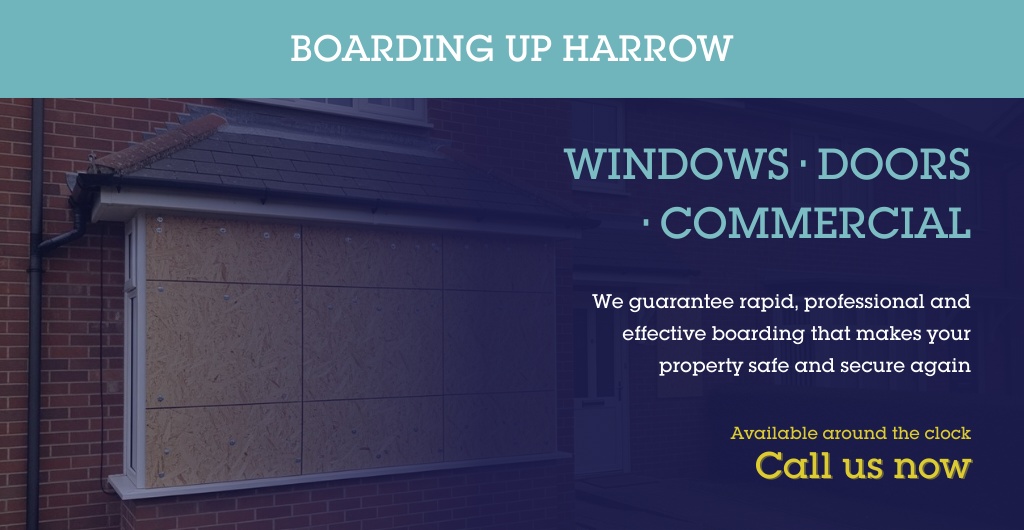
Boarding up is the process of securing a damaged, missing, or vulnerable opening—most commonly a window, door, shopfront, or rooflight—using strong sheet materials and secure fixings. In practice, it’s what you do after a break-in, vandalism, storm damage, or an accident to make a property safe, weather-resistant, and far harder to enter again.
At Boarding Up Harrow, we provide boarding up services across the HA postcode area (HA0–HA9) for homes, shops, offices and vacant properties. If you need urgent help, go straight to emergency boarding up or call 020 4634 5472.
When is boarding up needed?
Most people don’t think about boarding up until something has already gone wrong. In Harrow and surrounding areas, we commonly attend for:
- Burglary and attempted break-ins where a door panel, frame or window has been forced
(see boarding up after burglary repairs) - Vandalism, including smashed panes and damaged shopfronts—often overnight on busy parades
(see vandalism repair and boarding) - Storm damage, especially where wind has lifted tiles, broken skylights, or blown debris into glazing
(see storm damage boarding) - Fire damage where glazing and doors are compromised after the fire service has gained access
(see fire damage boarding) - Flood damage where frames swell, locks fail, and openings won’t secure properly
(see flood damage boarding) - Accident/impact damage, such as a vehicle strike to a frontage or a cracked large pane that’s no longer safe
(see accident damage boarding)
Boarding up can be emergency (same day/out of hours) or planned (for vacant properties, renovations, or repeated break-in risk). Either way, the goal is the same: reduce risk and stabilise the situation so repairs can be arranged safely.
What boarding up actually achieves (and what it doesn’t)
Boarding up is a practical security measure. Done properly, it:
- Stops opportunist entry through broken or weakened openings
- Protects against weather (rain, wind-driven debris) until glazing/doors can be replaced
- Makes a property safe by covering sharp edges and insecure areas
- Helps with insurance by showing you’ve taken reasonable steps to prevent further loss (we can provide photos and paperwork)
What it doesn’t do:
- It doesn’t “repair” the underlying damage (e.g., a twisted frame or cracked lintel). It’s a temporary security solution.
- It doesn’t replace fire remediation, smoke/odour cleaning, or full make-safe building works. After a serious incident, other trades may be needed.
- It’s not a guarantee against determined attack—nothing is—but correctly specified materials and anti-tamper methods make removal far harder.
If you’re unsure whether boarding up is appropriate, give us a ring. We’ll talk through the opening, the risk level, and whether a more secure option (like a temporary steel door or security screen) would be better.
How boarding up works: our on-site process
Every job is slightly different, but a good boarding-up visit follows a consistent, sensible process.
-
Assess the opening and immediate hazards
We check for loose glass, unstable frames, exposed locks, and anything that could injure someone or worsen damage. -
Confirm the security and access needs
For example: do you need to keep using the door? Is it a shopfront that needs partial visibility? Is the property going to be empty? -
Measure and choose materials
- 18mm exterior-grade plywood is a common choice for strong, reliable window/door boarding
- OSB (often 12mm for smaller openings) can be suitable in lower-risk or smaller-panel situations
We’ll choose based on the opening size, location, and risk.
-
Fix securely (with anti-tamper methods where needed)
We use fixings and methods designed to make removal from the outside difficult. The approach depends on whether the frame is sound and whether non-destructive fixing is possible. -
Finish neatly and document the work
We can provide time-stamped photos and an itemised invoice/work statement—useful for landlords, managing agents, and insurance claims.
If the surrounding frame is too damaged to take fixings safely, we’ll explain that before proceeding and outline options—sometimes the safest “make secure” solution is different from a standard board.
Types of boarding up (windows, doors, shopfronts and roofs)
Boarding up isn’t one single service. The method changes depending on what’s being secured.
Window boarding up
Window boarding is used for broken panes, cracked glazing, or windows that no longer lock after an incident. It’s common on ground-floor windows, bay windows, and side returns.
Learn more about window boarding in Harrow.
Door boarding up (and temporary steel doors)
If a door has been forced, split, or pulled from its fixings, boarding may be used as a short-term measure—but in many burglary situations a temporary steel door is a better option, especially if the property needs to be accessed securely by trades or residents.
Shopfront boarding
Shopfronts often involve large panes and higher public visibility. The priority is to secure the frontage quickly and reduce ongoing risk—particularly on busier parades and near transport.
See shopfront boarding.
Roof and skylight boarding
Rooflights and skylights are vulnerable after storms and can allow water ingress fast. Roof boarding tends to be more about weatherproofing and safe access planning than simple security.
See roof boarding.
Boarding up vs security screens vs temporary steel doors
People often ask which option is “best”. It depends on timeframe, risk level, and whether the property needs regular access.
-
Standard boarding (plywood/OSB):
Best for immediate make-safe after breakage and short-term protection. -
Temporary steel doors:
Ideal when a door is compromised and you need a secure, lockable entry point for an unoccupied property or ongoing works. -
Steel security screens (Sitex-style):
Better suited to vacant/void properties where you want stronger, longer-term protection and reduced repeat incidents.
If you’re managing an empty house, a closed unit, or a probate property, you may want to read about vacant property boarding up and discuss longer-term security.
What you receive after a boarding up job
For many customers—especially landlords, shop managers, and facilities teams—clear documentation matters as much as the boarding itself.
Typically, we can provide:
- Time-stamped photos of the secured openings
- An itemised invoice and written work statement
- Notes on any additional vulnerabilities spotted (e.g., secondary access points)
- Practical advice on next steps for glazing/door replacement
We’re not loss adjusters or legal advisers, but we can supply the documentation insurers usually ask for. For more guidance, see insurance claims support.
Is boarding up covered by insurance?
Often, yes—boarding up can be considered a reasonable “mitigation” step after an insured event (like burglary or storm damage). However, every policy is different and excesses apply.
If you’re making a claim:
- Keep any crime reference number (if applicable)
- Take photos before boarding up if it’s safe to do so
- Notify your insurer as early as possible
- Keep copies of invoices and any work notes
More detail is available on our insurance claims page.
How long can boarding up stay in place?
Boarding up is temporary, but “temporary” can mean different things depending on the situation.
- After a burglary or smash, it may be in place for a short period while glazing or a door is ordered.
- For a vacant property, you may want a longer-term solution (steel doors/screens) to reduce repeated damage.
If you tell us your likely timeframe and whether the property will be occupied, we’ll recommend the most sensible approach—secure enough without paying for something you don’t need.
Boarding up for different property types in Harrow (HA)
We regularly board up:
- Residential homes and flats (including conversions, maisonettes and family houses)
See residential boarding up - Commercial premises such as shops, restaurants, offices and small industrial units
See commercial boarding up - Vacant properties between tenancies, during probate, or awaiting refurbishment
See vacant property security
If you’re unsure which category you fit into, don’t worry—tell us what’s happened and how the building is used, and we’ll guide you.
What to do if you need boarding up in Harrow tonight
If there’s an immediate risk (open frontage, exposed ground-floor window, door that won’t lock), prioritise safety first.
- If there’s been a crime in progress or someone may still be inside, call 999.
- If it’s safe, take a couple of photos for your insurer and remove valuables from view.
- Call us for urgent help: emergency boarding up or 020 4634 5472.
We don’t quote fixed arrival times—traffic, access and the nature of the damage vary—but we prioritise genuinely urgent make-safe work across the HA area.
FAQs about boarding up in Harrow
How much does boarding up cost in Harrow?
Costs depend on the size and number of openings, access (e.g., upper floors or rooflights), the material required, and whether it’s an out-of-hours emergency. We keep pricing transparent and can talk you through the factors on the phone. See pricing information.
What’s the difference between plywood boarding and OSB?
Plywood is generally stronger and more durable, especially for larger openings and higher-risk situations. OSB can be suitable for smaller openings or lower-risk, short-term boarding. We’ll recommend what makes sense for your situation.
Will boarding up damage my window frame or brickwork?
We aim for secure fixing with minimal disruption, but the method depends on the condition of the frame and the substrate. If the frame is badly damaged, we’ll explain the options before we proceed—sometimes there’s no fully non-destructive method that’s still safe and secure.
Can you board up a shopfront without shutting the whole business for days?
In many cases, yes—boarding up is designed to secure the site quickly so you can plan the proper repair. Shopfront situations vary, and safety comes first, but we’re used to working with business owners and managers to reduce disruption where possible. See shopfront boarding.
Do you cover my area in the HA postcodes?
Yes—we cover Harrow and the wider HA postcode area (HA0–HA9). You can check specific locations on our areas we cover page.
Ready to secure your property?
If you’ve had a break-in, a smashed window, storm damage or a vulnerable door, boarding up is often the fastest way to get control of the situation and protect the building until repairs are arranged.
Ready to get started? Call 020 4634 5472 or email us for a free, no-obligation quote.
